Projects
Read more about the current research projects at the centre
Key Projects
Learn more about the key research projects at the centre
What does it mean for a university campus to be environmentally sustainable, not merely reducing its impacts, but operating within the boundaries of what the planet can sustain? And how can a university assess its progress towards absolute environmental sustainability?
The DTU Campus Baseline project is developing the first comprehensive assessment of DTU's environmental sustainability performance from an absolute sustainability perspective. Focusing on climate change, biodiversity, resource use, and toxic chemicals, the project will develop indicators to track future progress against a baseline of the year 2025.
By applying absolute sustainability principles to its own operations, DTU aims to demonstrate how universities can move from measuring incremental improvements to understanding what level of environmental performance is truly sustainable. The project will provide a foundation for future sustainability initiatives and support DTU's ambition to create impact through both research and practice.
For questions about the project or if you are interested in collaborating, please contact us: sustainability@dtu.dk
This project is funded through DTU strategic internal funding.
How can industry move beyond reducing environmental impacts and instead operate within planetary boundaries? And how can international collaboration accelerate the development and adoption of the tools needed to make this transition possible?
The Industrial Transformation for Absolute Sustainability Network brings together leading researchers and innovation partners from Denmark, Australia, and Japan to advance the practical application of Absolute Environmental Sustainability Assessment (AESA). Through conferences, workshops, seminars, and industry engagement, the network supports the development and dissemination of methods that help align industrial activities with the Earth's environmental limits.
By connecting academia, industry, and policymakers across continents, the network aims to accelerate the transition from incremental environmental improvements to truly sustainable industrial systems. Through international collaboration and knowledge exchange, the network will help strengthen Denmark's pioneering efforts in Absolute Sustainability while building the partnerships needed to scale impact across sectors and regions.
For questions about the project or if you are interested in collaborating, please contact us: sustainability@dtu.dk
This project is funded by the Danish Agency for Higher Education and Science through the Global Innovation Network Programme (GINP).
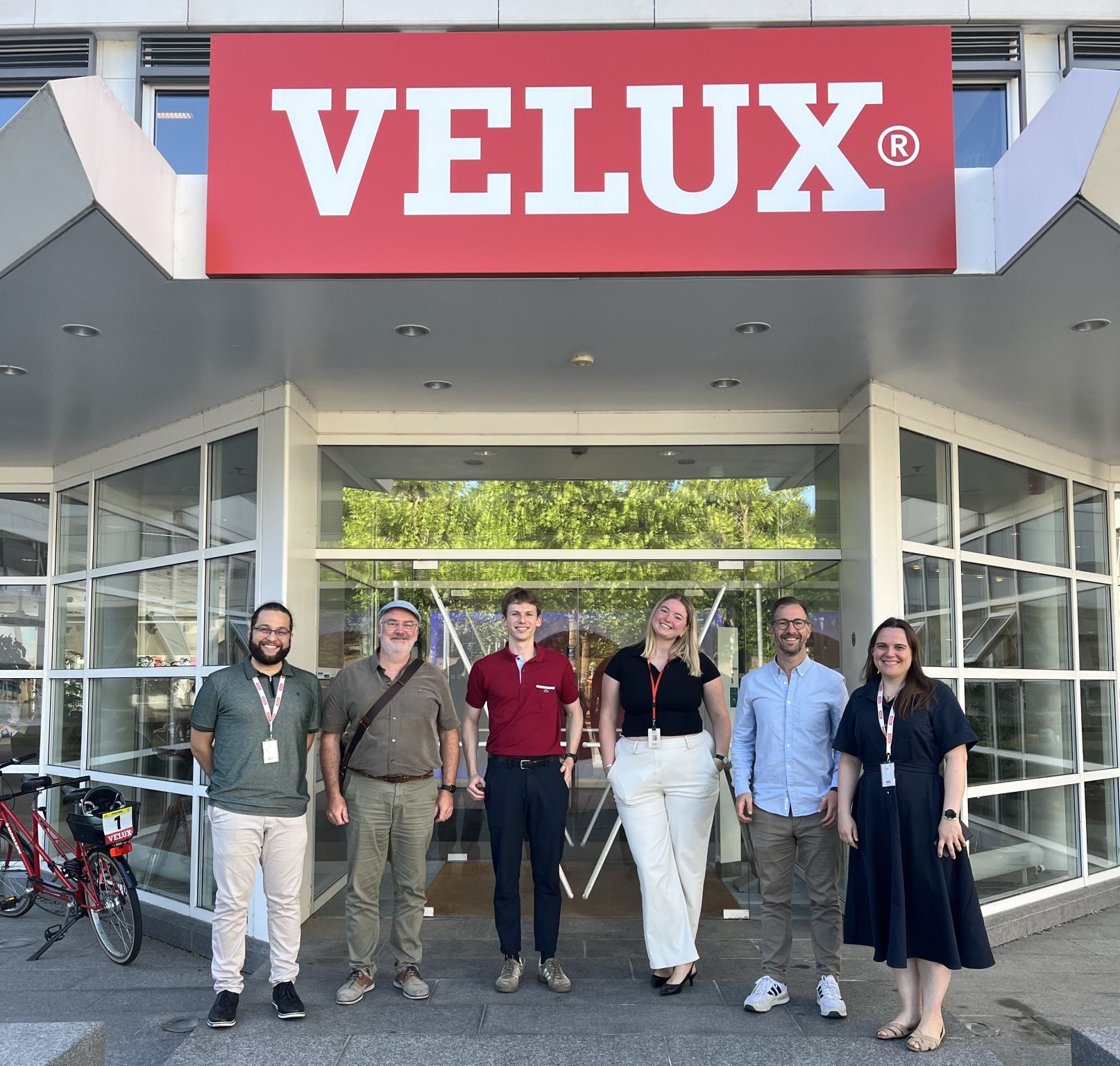
What does it mean for an industrial company to be absolute sustainable - not merely improving its performance, but operating within the boundaries of what the planet can sustain? And what concrete steps can a company take to get there?
In collaboration with The VELUX group, the A-EDIP project is developing and testing the Framework for Absolute Sustainability Transition (FAST) to answer these questions. FAST is a structured methodology that guides companies through an evidence-based transition towards absolute environmental sustainability, addressing the strategic, tactical, and operational dimensions of their activities. The framework distills years of research and development at the DTU Center for Absolute Sustainability into an original, practical output for industry and society.
For questions about the project or if you are interested in collaborating, please contact us: sustainability@dtu.dk
This project is funded by Købmand Niels Erik Munk Pedersen Fonden